Grape Export from India: Nashik Seedless Varieties, Season & Sourcing Guide
Detailed technical guide on exporting premium seedless table grapes from Nashik, India. Learn about core cultivars, SO2 gas sheets, temperature controls, and GrapeNet tracking compliance.
Nashik: The Table Grape Export Capital of India
Nashik, nestled in Maharashtra, produces over 70% of India’s commercial table grape exports. The winter-to-spring climate cycle of dry, sunny daytime conditions followed by crisp nighttime drops is highly ideal for starch-to-sugar conversion, culminating in natural sucrose accumulation without cracking thin outer skins. At VGF Global, we establish direct-farm collection contracts to secure uniform bunch weights, turgid berry diameters, and fresh dynamic green stands before temperature control.
Critical Commercial Export Varieties: Green, Black, and Red
Importers typically organize their retail programs around four primary cultivars sourced from Nashik yards:
- Thompson Seedless: The export gold standard. Known for light-amber green coloring, firm crunch, elongated berry length, and robust shelf stability during 25-day sea transit. Typically reaches 16-18° Brix.
- Sonaka Seedless: An elongated clonal variant of Thompson. Features stunning visual elegance, high sweetness, and a soft yellow-green tint that demands a premium in high-end supermarkets.
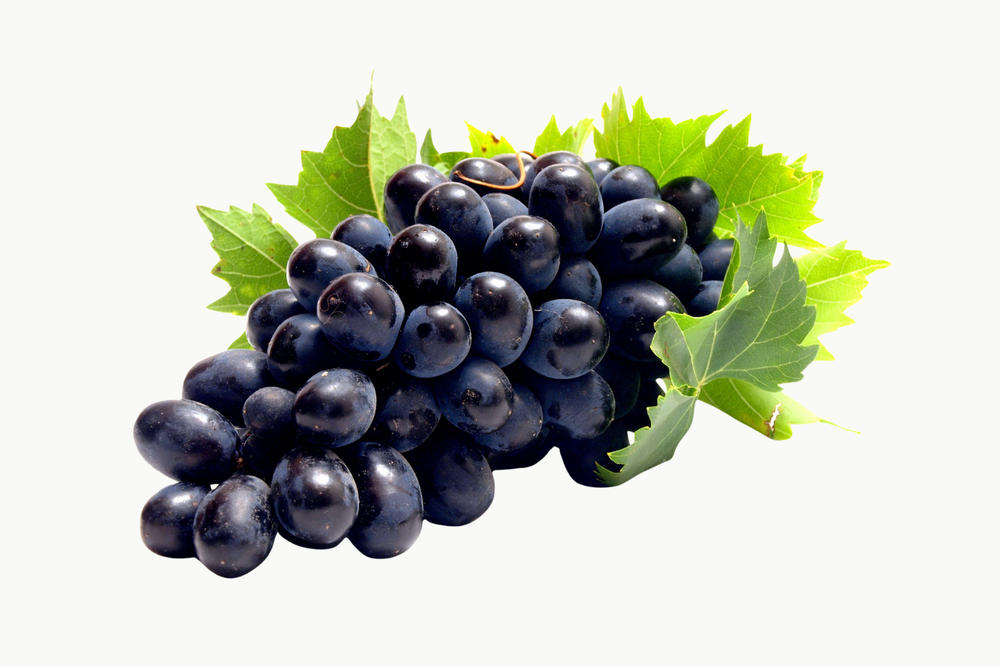
- Sharad Seedless: A highly popular black, elongated seedless variety with deep anthocyanin pigment, exceptionally high sugar, and soft skin.
- Red Globe: Large, robust, bi-colored round red grapes (22mm+ berry diameter) with crisp flesh and solid seeds. They are highly resilient and favored in the Far East and Middle East for long shelf stability.
Technological Post-Harvest Preservations and Sulfur Sheets
To preserve fresh table grapes in pristine condition without mold or dehydrated, woody stems, VGF Global integrates robust post-harvest solutions:
- Pre-cooling: Grapes are placed in forced-air cooling facilities within three hours of being cut. We reduce internal pulp core temperatures down to 1°C, suspending ongoing respiration and dynamic decay.
- Dual-Release Sulfur Dioxide (SO2) Sheets: We pack every export-ready carton with smart dual-release food-safe SO2 sheets. These liners emit low-concentration sulfur dioxide gas slowly during transport to neutralize gray mold (Botrytis cinerea) spores without causing bleaching or chemical odor.
- Deep Temperature Stabilization: Reefers are set strictly between -0.5°C and 0°C with 90–95% relative humidity, supported by smart ambient satellite trackers to record humidity drift.
GrapeNet Tracking & Food Safety Certifications
Access to international markets demands strict trace structures and crop residue safety. All grapes exported by VGF Global are registered and audited under the Indian agricultural ministry’s GrapeNet platform. This electronic tracking system records every fertilization and residue checking phase from the vineyard level up to phytosanitary dispatch, ensuring all containers comply with EU and Gulf Maximum Residue Limits (MRLs).
Frequently Answered Inquiries
Operational Sectors
Instant B2B Sourcing Quote
Connect straight with our sourcing experts. Submit your trade requirements below.